Cheering for teams and against those who run them

Plenty of things bond NBA fans, even those who cheer for opposing teams. That one draft pick who didn't work out as fans hoped, the outrageous price of a beer at the arena, the wickedly unethical things their team owner does in their personal lives.
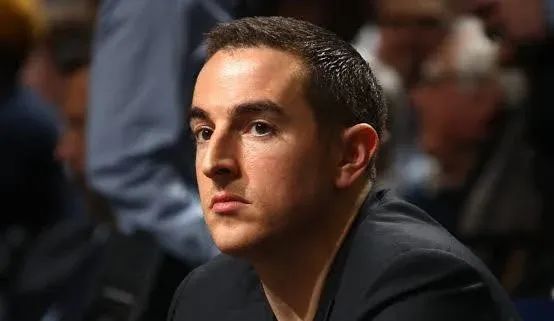
The most recent example of that third thing is Grizzlies owner Robert Pera, who also owns the tech company Ubiquiti. Pera has more than one-upped Steve Ballmer's alleged cap circumvention by selling technology to the Russian military, according to Hunterbrook and Pablo Torre, who is likely becoming public enemy No. 1 in the eyes of NBA owners. I'm jealous, honestly. That's a title I want for myself. But right now I don't think NBA owners know I exist, much less hate me. Maybe one day.
Of course, Ballmer's slimy skirting of the salary cap pales in comparison to Pera's potential aid to the Russian military's war crimes. But they do both fit into the category of NBA owners acting like the billionaires they are — always assuming (mostly correctly) that no consequences could possibly befall them.
We all know that billionaires live different lives from the rest of us and are afforded extra protection from real punishment because the people making the rules in our society share common, often sickening, interests.
In Ballmer's case, the public doesn't seem willing to memory hole his unethical managerial moves. Eventually, NBA commissioner Adam Silver will have to make a decision on Ballmer. I don't have tons of confidence that it will be anything more than a slap on the wrist, but it's at least encouraging to see fans and the media refusing to shrug this one off.
In Pera's case, though, we're a week removed from Torre's and Hunterbrook's investigation being released, and the fallout has been ... nonexistent. We already have memory-holed this one. Adam Silver hasn't bothered to address it. Large media outlets don't care to talk to Torre about it, and NBA fans have mostly brushed it off as just another owner doing immoral things — as they do. Those pesky war criminals, agh!
The difference in public outcry to Ballmer's scandal vs. Pera's is pretty stark. But if the results of each are the same — and neither faces real consequences despite mountains of evidence — that would be pretty disheartening. It would make all the outside pressure that fans and the media have applied feel like it was applied in vain.
That doesn't mean we should stop applying pressure. Making the league make a decision on the nasty things owners do is still important ... Even if that decision will always ultimately protect the owners. Sitting back and allowing the owners to break the rules that none of us are allowed to break must never be the path we take.
It doesn't make you a worse fan to speak out about the atrocities your team's owner commits. The opposite, in fact — I think the "die hard" label can only be earned if you are willing to vocalize your anger whenever the team's owner does something appalling. It's not that hard to find whatever appalling thing your team's owner did, for the record.
The face of the NBA is whoever has the most money
Recently, the debate on which young player will grow into the "face of the NBA" has taken over NBA discourse. If the league had any say, they'd probably make the face of the league the owners.
You may not have noticed it, but there was a subtle change to last year's NBA Finals trophy presentation. When commissioner Adam Silver presented the Larry O'Brien trophy to the Oklahoma City Thunder amid a throng of cameras and a sea of blue shirts in the stands, the first person to take the microphone and speak on behalf of the team was general manager Sam Presti.
That seems normal — Presti built the team's roster, after all. But it was the first time in many, many years the microphone wasn't handed to the team's owner before anyone else. Clay Bennett, owner of the Thunder, likely decided on his own not to give a speech. That's nice of him, I suppose, but it also makes you wonder why owners speak first after a team wins a title in the first place.
It's the same as in any other organization; whoever has the money gets the credit for the success of the thing, regardless of whether they had any real impact. Sam Presti built that team and then the players themselves completed the job of winning a title, so it makes way more sense to not hear from Clay Bennett at all. Maybe his act of humility (that's not tongue-in-cheek, why do you ask) will change this tradition. I don't want to hear from any owner ever again!
This weird charade of owners taking the microphone first plays into why fans feel weird about giving their full support to a team that they know is run by a ghoul. When the league itself is constantly trying to convince you that said ghoul is the one you should thank for the team's success, it feels like an indictment on the team at large whenever that person is caught up in something heinous.
But it's not! Most people have worked for businesses run by wicked people. The success of that working person on a day-to-day basis is completely detached from the person at the top of the hierarchy. My dad worked for a delivery company for more than 20 years; I was happy that he succeeded at his job while still acknowledging that the CEO of the company was indifferent to his living or dying on the job.
The owner of your favorite NBA team is a wholly irredeemable person. I don't know who you cheer for, but I am supremely confident in that declaration anyway. There is, however, a way to cheer for team success and still hold the tech oligarch, car mogul, or "philanthropist" behind the scenes responsible — and true fandom includes doing both.